

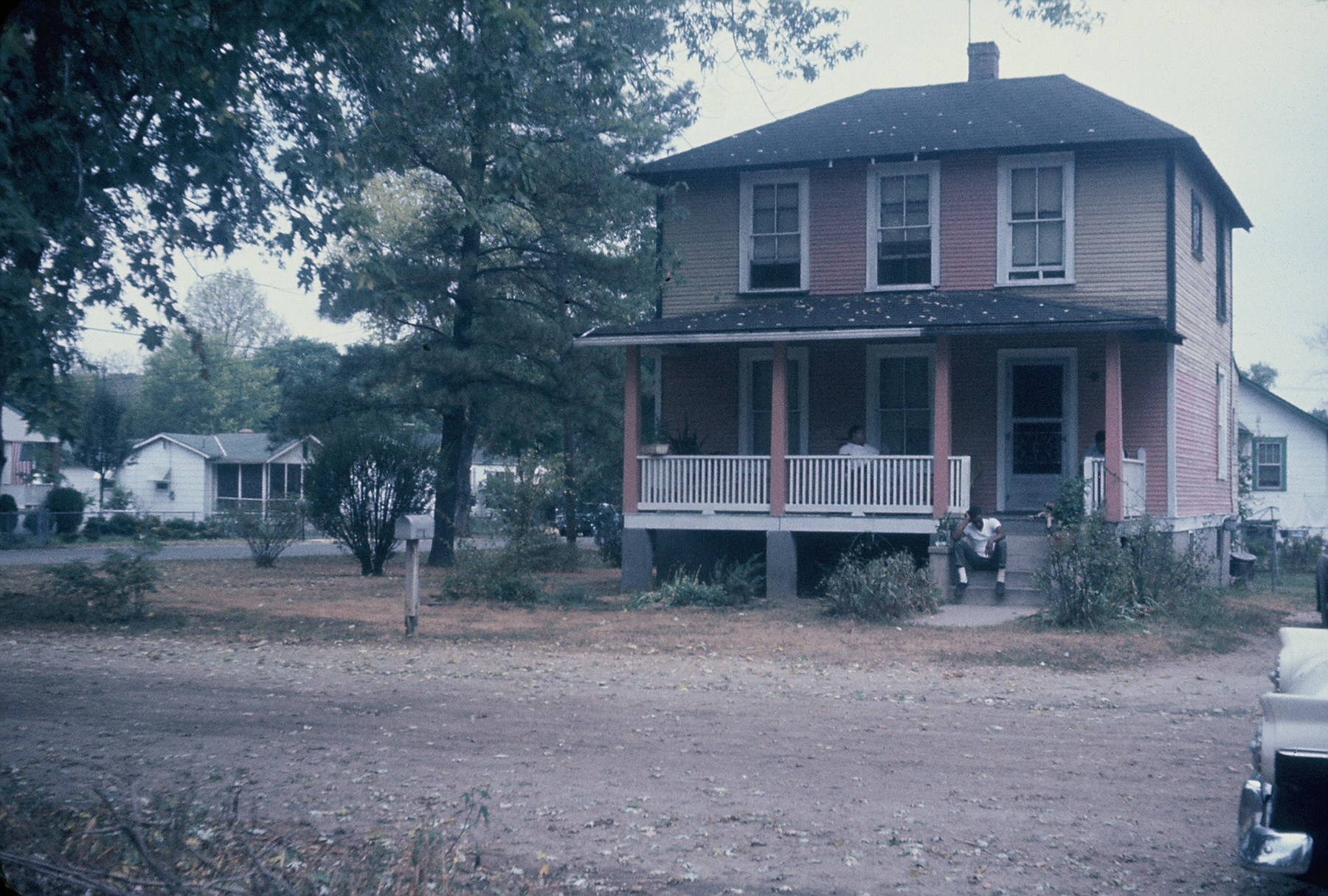
This site was the final home of George Henry and Rosie Gross, two members of the first group of African Americans to live in Lakeland. Mrs. Gross was among the earliest identified African American workers at the nearby University of Maryland.
Their home is an important complement to the current collection of recognized historic residential structures in Lakeland, Nancy Tabbs House (Navahoe Street), George Henry and Agnes Gross House (54th Avenue) and Elwood and Wilmer Gross House (Pierce Avenue) through the stories it embodies and the family ties of their residents. Nancy Gross Tabbs was the sister of George Henry, Rosie and George Henry were parents of George Henry and grandparents to Elwood. All of these homes are representative of a significant period in the history of both the Lakeland community and our nation from 1865 until 1974, the period of segregation. It is also representative of a community impacted by a nationally significant program, urban renewal. That program impacted Lakeland for the time of initial plan development in 1968 until groundbreaking for the first structure in 1981.
This home dates back to the original development period of Lakeland as a community. Ownership of the home also shows transitions the community has undergone over the last century and a quarter. The property has gone from ownership by white real estate speculators (Aquarium Fisheries (Edwin and Clara Newman), and Kleiner and Shepard to African American renters and later homeowners transfer once again to speculators and current ownership by a community housing trust with the promise of maintaining affordable housing opportunities.
On Wednesday, January 18, 1961 widow and homeowner Rosie Gross returned home for the final time. She had passed away at Leland Memorial Hospital a few days before and her remains were brought home to allow her family and friends to “call”. Census records show a bit of her life. In 1900 she was listed as married for two years, living with her husband George Henry and baby daughter Lucille in the home of her parents. Little Lucille is only listed in that one census. By 1920 the family showed several children as renters in the Pierce Avenue home. By 1930 they reported themselves as homeowners. The 1940 censue shows Rosie then a widow taking in lodgers and working at the University of Maryland as a laundress. Census and other sources show many of Rose’s family members working at the “State College” including her children, George Henry, Cora, and Viola, siblings Beatrice, and Ferdinand, sister in law Georgianna as well as grandchildren Elwood and Conway. After her husband’s death she even had lodgers in the home. Among them were multiple University of Maryland workers.


 lakelandchp.com